Travel Planning
Best Time to Visit Uganda
Two dry windows for tracking, two wet ones for birds and lower prices, and one monthly morning that stops the whole country.
- Country Uganda
- Category Travel Planning
- Reviewed 29 October 2026
- Sources 3
- Length 2 min read
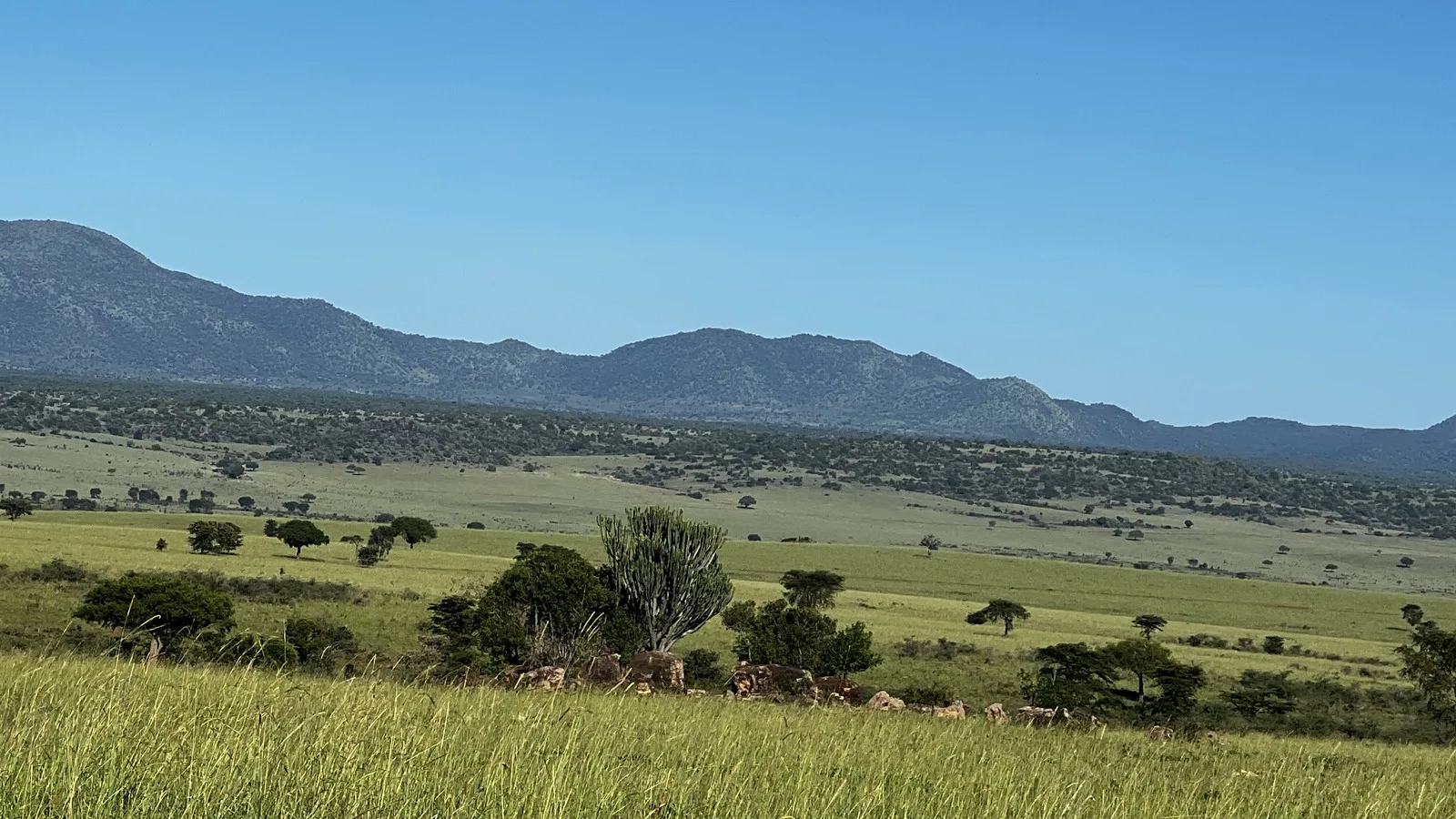
Credit Sandra Aceng, CC BY-SA 4.0, via Wikimedia Commons
Uganda sits on the equator and its temperature barely moves across the year. What changes is water: how much falls, what it does to a forest track, and what it does to a road in the north east.
The four seasons that exist in practice
There are two wet periods, roughly March to May and October to November, and two drier stretches between them, broadly June to September and December to February. The dry windows are the standard tracking months and the busiest.
Dry is relative. This is an equatorial country with rainforest and lakes and it rains in every month; the difference is between a shower and a day of it, and between a firm path and a churned one.
What the season does to tracking, and to the price
Gorilla and chimpanzee tracking runs year round and is not canceled by weather. In the wet months the ground in Bwindi is harder work, the vegetation is higher and the walk takes longer.
The compensation is real: parks are quieter, permits are easier to obtain at short notice, and the forest is at its best. Uganda has historically discounted gorilla permits in some low season months, which is worth asking the Uganda Wildlife Authority about directly rather than assuming either way.
For birds, the wet season is the season. Uganda is one of the great birding countries and the migrants are present roughly from November to April.
Where the rain actually stops you
Parts of the north east flood during the rains, so monitor local media and use only suitably equipped four wheel drive vehicles there. Kidepo Valley, the most remote and for many people the most rewarding of Uganda's parks, sits in that corner of the country. If Kidepo is the point of the trip, the season matters more than it does anywhere else.
The dates that are not about weather
On the last Saturday of every month, between 7 and 10 in the morning, Uganda holds a mandatory national cleaning day during which businesses close and non-essential movement is prohibited. It is the most predictable disruption in the calendar and it catches more itineraries than the rain does.
Uganda restricted mass gatherings during its Ebola outbreak of 2026, which was declared over on 28 July. Anyone traveling for a specific event should still confirm it is going ahead.
Politically, President Museveni was sworn in for a new term on 12 May 2026 after the January election, and political events in Uganda have been accompanied by protests and by disruption to the internet.
Choosing a month
- Dry seasons, June to September and December to February, for the easiest tracking
- Wet seasons for quieter parks, easier permits and the birds
- Ask the wildlife authority directly about any low season permit discount
- Avoid the north east and Kidepo in the heaviest rains unless properly equipped
- Check whether a travel day falls on the last Saturday of the month
- Confirm any event you are traveling for is going ahead