Djibouti
Nothing on the list of places, and a body of customary law on the list of practices
- Region East Africa
- Country Djibouti
- Type Country
- Reviewed 13 August 2026
- Sources 2
- Length 3 min read
Credit Mheidegger, CC BY 4.0, via Wikimedia Commons
Why Djibouti
Small, hot and strategically placed at the mouth of the Red Sea, where the shipping lane between Europe and Asia narrows to the Bab-el-Mandeb.
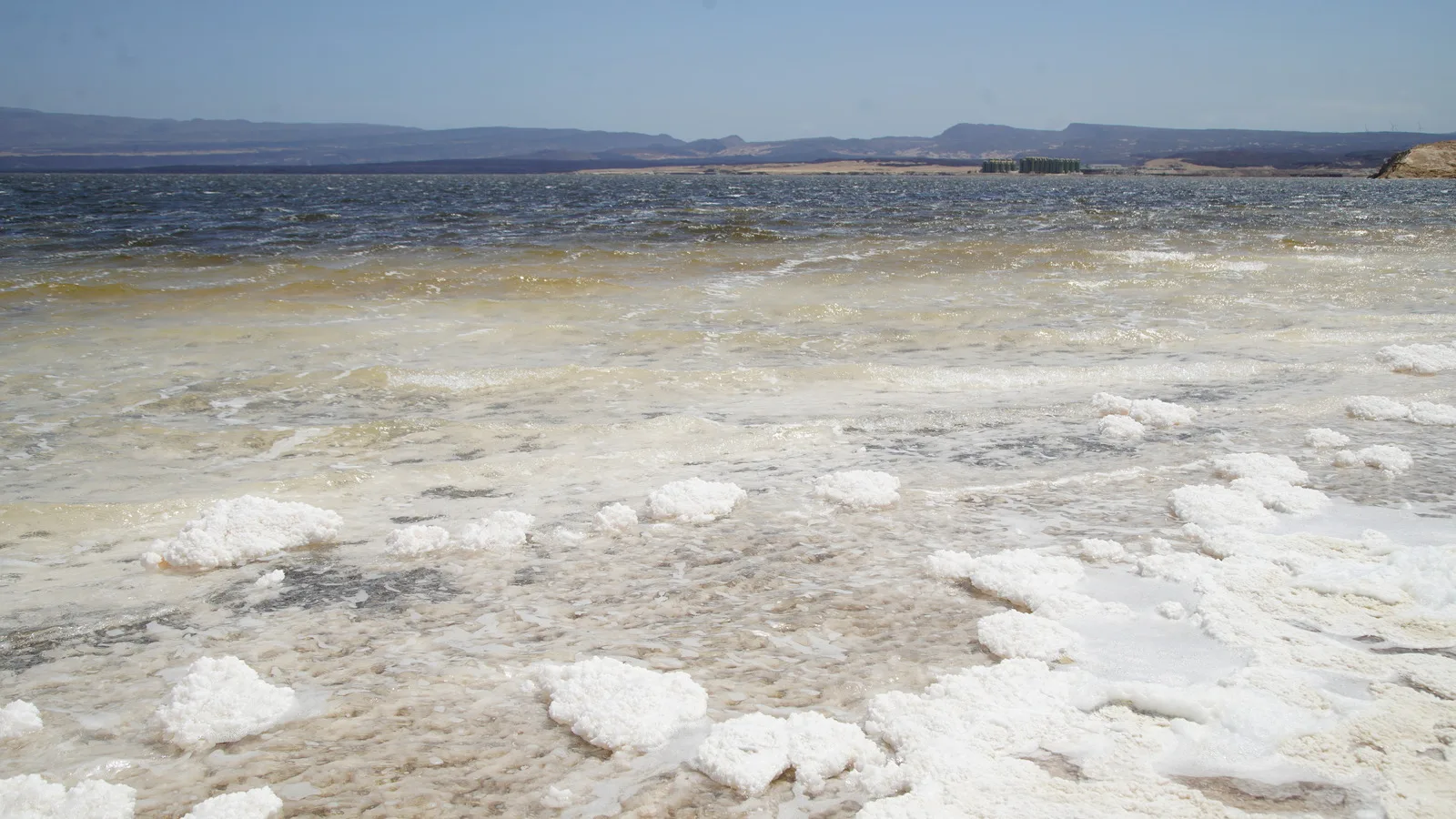
The photograph at the top of this page is Lake Assal, one of the ten nominations. It is 155 meters below sea level, which makes it the lowest point in Africa, and it is among the saltiest bodies of water on earth. The white in the picture is salt.
Food
Skoudehkaris, rice cooked with lamb and spices, is the dish people name first. The French inheritance shows up in the bread and the coffee culture, and the Yemeni one across the water shows up in the flatbread and the fish. Tea is heavily sweetened and offered constantly.
Practical orientation
French and Arabic are official; Somali and Afar are widely spoken. The currency is the Djiboutian franc, pegged to the US dollar. Djibouti city has the international airport.
Terrorism is a risk to be aware of, and the areas bordering Eritrea are affected by border tensions. Check access locally before planning travel near that border. The Eritrea hub on this site is the other side of that line.
Entry requirements vary by nationality and change. This page is not the authority on them.
This page states no entry, health or security requirements, and is not advice. Check current entry and health requirements with official sources before you travel.
Sources and references
- UNESCO World Heritage Centre: Djibouti, States Parties and Tentative List
- UNESCO Intangible Cultural Heritage: browse the Lists
These are the authoritative references for the heritage this page discusses; each was checked at source on 13 August 2026. Practical details (entry rules, health guidance, opening times) change constantly. The bodies listed here are authoritative and this page is not.