Zambia Visa and Entry Requirements
- Country Zambia
- Guide Visa and Entry
- Reviewed 29 October 2026
- Sources 3
- Length 3 min read
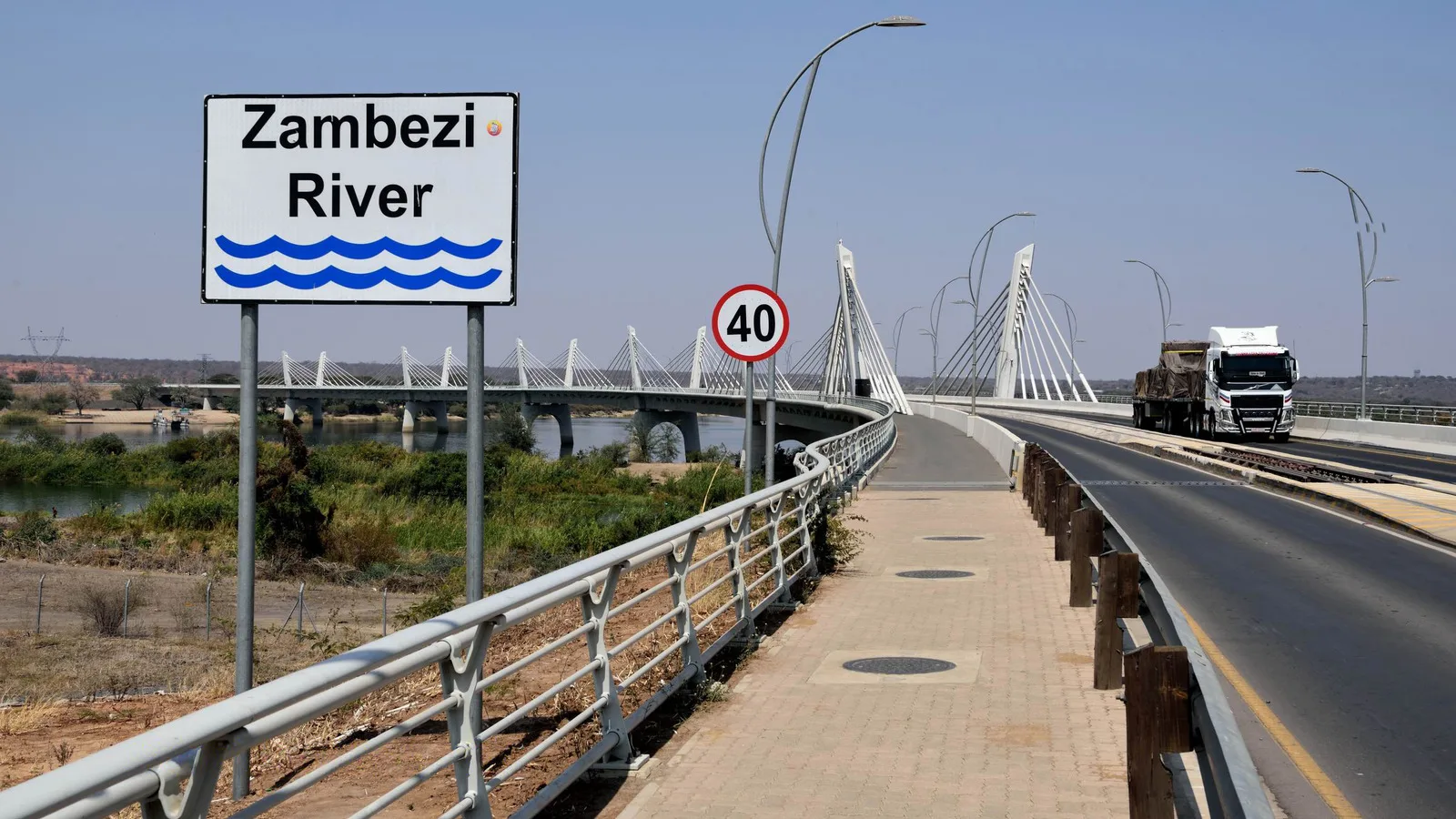
Credit Matthias Hille, CC BY-SA 4.0, via Wikimedia Commons
Last reviewed 29 October 2026
Zambia is one of the more relaxed entries in the region for some nationalities and an ordinary visa application for others, and the difference is decided by the passport in your hand rather than by where you live. Since 1 January 2025 the list of nationalities that need no visa has run to 167 countries, so for most readers the answer is the easy one.
Your passport
Your passport has to be valid for at least six months after the day you arrive, and it needs at least two blank pages for the entry stamp. Six months is the longer end of what countries ask, so a passport that is comfortable for a trip to Europe can be short for this one. Count from the arrival date, not from the day you booked.
Make sure the stamp actually goes in. Zambia recognizes dual nationality, and if you hold two passports, leave on the one you entered on. Doing otherwise turns a formality at the airport into a conversation.
Whether you need a visa
Citizens of the United States, the United Kingdom, Canada, Australia and the European Union are among those who do not need a visa for Zambia. What you do need to be able to show is a return ticket if you arrive by air, and enough money for the stay and your departure if you arrive by land or water, which is checked rarely and asked for occasionally. Tourists may spend up to ninety days in the country in any twelve month period; business visitors are limited to thirty.
Other nationalities need a visa, arranged in advance or issued on arrival. The Department of Immigration publishes both lists, and they have changed more than once in recent years, so check your own passport against the current one before you book anything you cannot move.
The KAZA UNIVISA, if you are crossing borders
Zambia and Zimbabwe share a visa. The KAZA UNIVISA, named for the Kavango Zambezi Transfrontier Conservation Area, allows unlimited travel between the two countries for thirty days, and it also covers day trips into Botswana. For anyone visiting Mosi-oa-Tunya it is the difference between one crossing and several.
It can be applied for online in advance, or issued on arrival at Kenneth Kaunda International Airport in Lusaka, at Harry Mwanga Nkumbula International Airport in Livingstone, and by land at the Victoria Falls border with Zimbabwe and at Kazungula on the Botswana side. It is worth having even if Zambia itself needs no visa from you, because Zimbabwe may. It carries a fee, which this page does not print: a price in prose is wrong the day it is revised and a reader has no way of telling how old it is.
Leaving, and the charge nobody expects
Departure charges apply to air passengers: one for international travel and a smaller security charge on domestic flights. They are normally inside the ticket price and you will never see them. When they are not, they are payable in cash, in kwacha, at the airport.
That is the practical reason not to change every last note on the way out. Keep enough kwacha to cover a charge you probably will not be asked for.
Before you fly
Yellow fever is a transit question rather than a Zambia question. The certificate is asked for when you arrive from a country where the disease is a risk, and several of those are countries this publication writes about. A connection through one can count.
- Passport valid at least six months beyond your arrival date
- At least two blank passport pages for the entry stamp
- Your own nationality checked against a Zambian mission, because the visa answer is not the same for everyone
- Return or onward ticket, and evidence of funds, available if asked
- KAZA UNIVISA considered if Zimbabwe or a Botswana day trip is in the itinerary
- Yellow fever certificate if you are arriving from a country listed as a transmission risk
- Enough kwacha kept back for a departure charge that may not be in the ticket